How to Foster Inclusivity in Local Event Planning
Creating inclusive local events requires careful planning and consideration. This article explores effective strategies to ensure all community members feel welcomed and valued, enhancing participation and engagement.
Understanding the Importance of Inclusivity
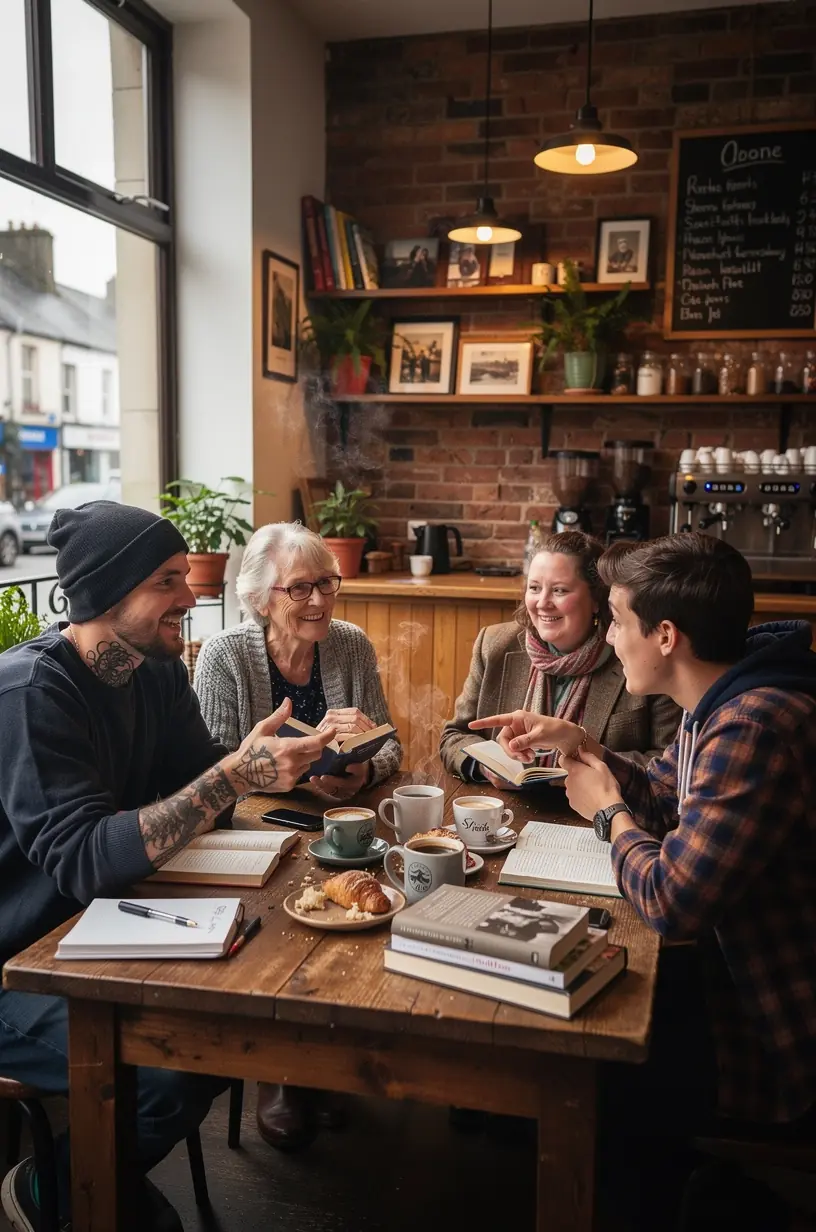
Inclusivity in event planning is not just a moral obligation; it is essential for fostering community spirit and participation. According to a study by the Institute for Community Engagement, inclusive events often see a 30% increase in attendance compared to those that do not prioritize inclusivity. This approach works because it encourages diverse perspectives and contributions, making events more representative of the community.
"Events that embrace inclusivity create a sense of belonging, which can significantly enhance community engagement." - Community Engagement Expert
Implementing Inclusive Practices
Here are several effective strategies to foster inclusivity in your local event planning:
- Conduct Surveys: Before planning an event, consider distributing surveys to identify the interests and needs of various community groups. This approach allows you to tailor the event to meet the specific desires of all attendees, ensuring relevance and appeal.
- Accessibility Considerations: Ensure that the event venue is accessible to individuals with disabilities. This may include wheelchair access, sign language interpreters, or providing materials in multiple formats. Research by the National Center on Accessibility indicates that accessible venues can increase participation by up to 40%.
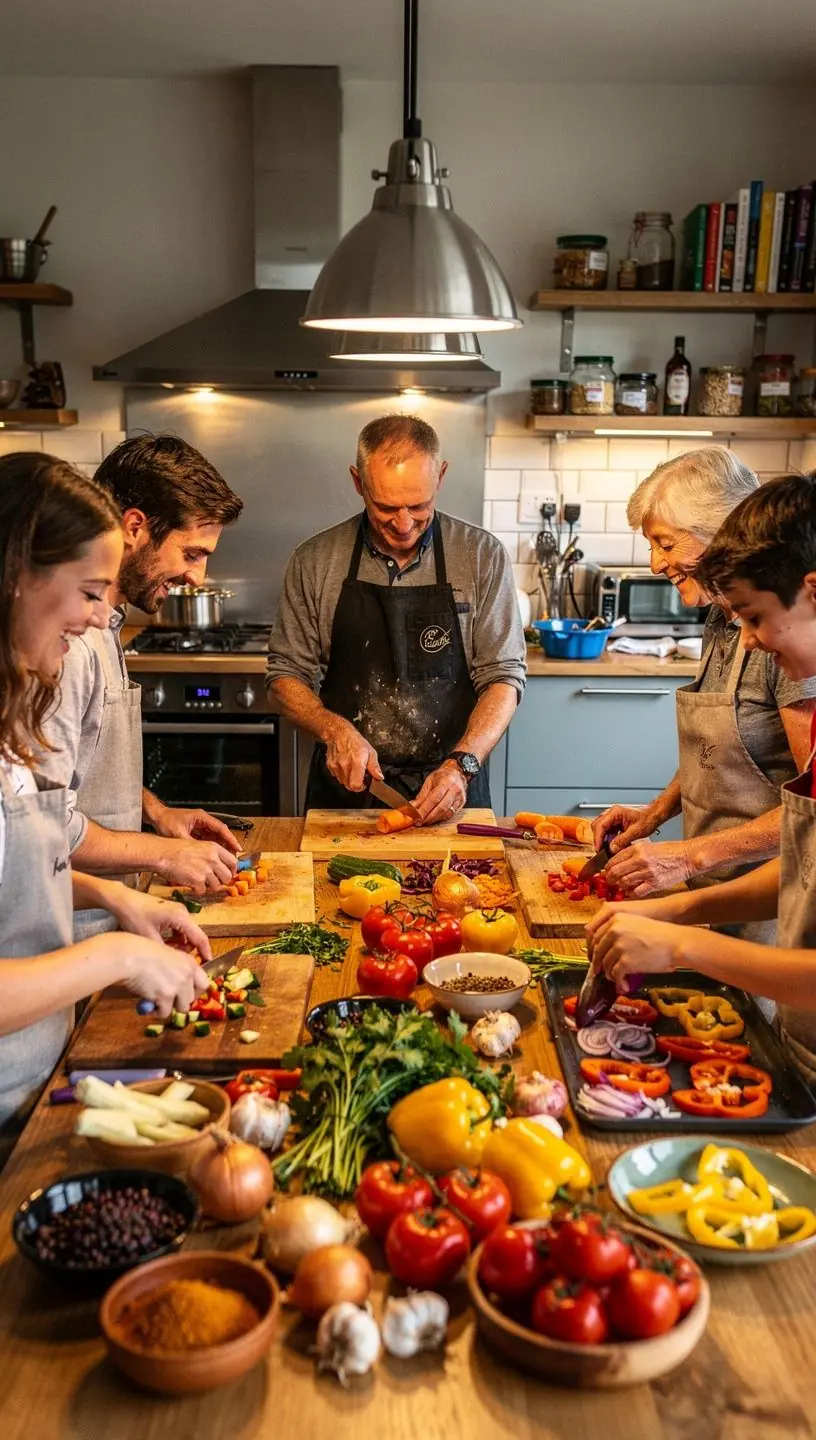
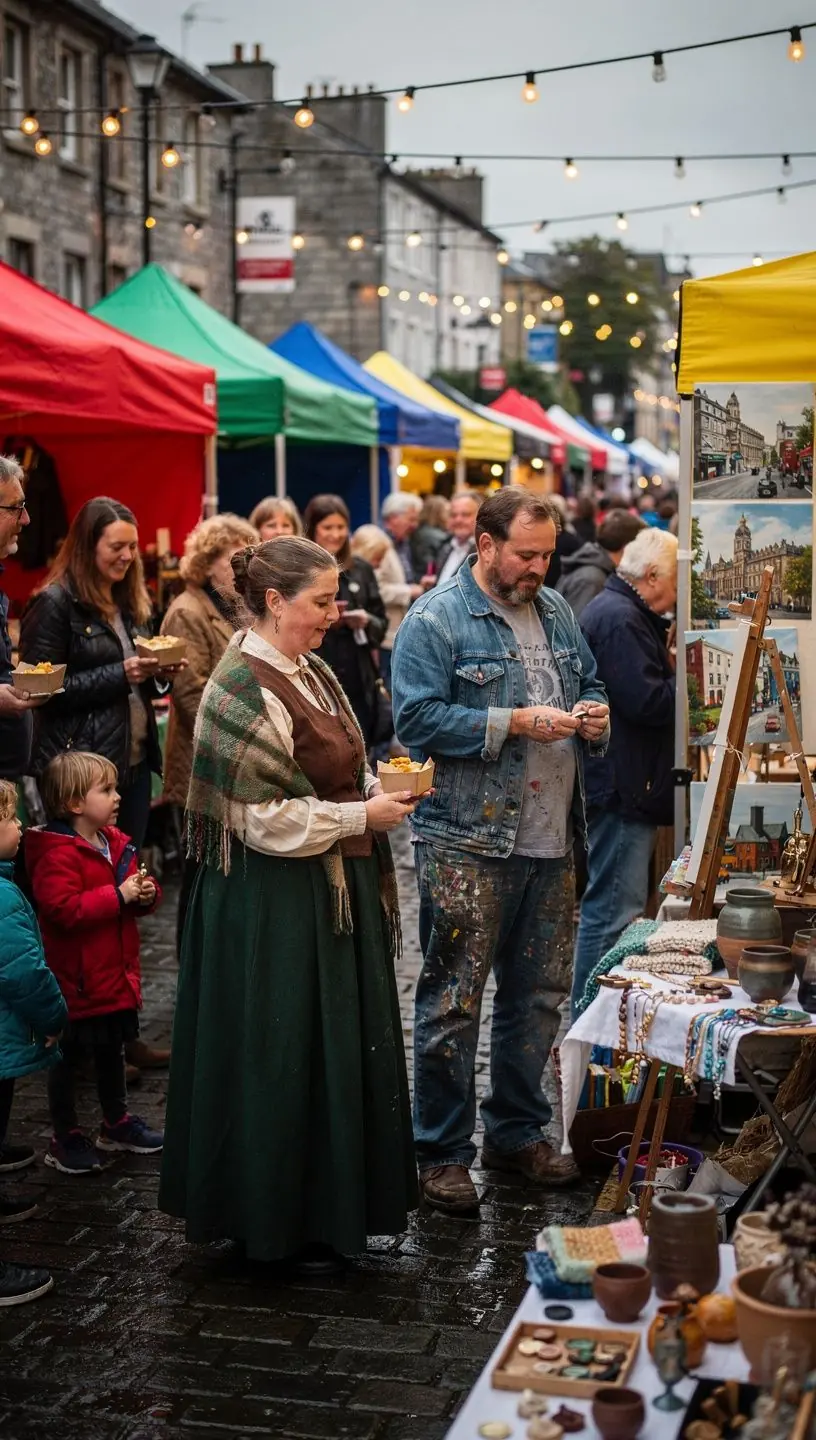
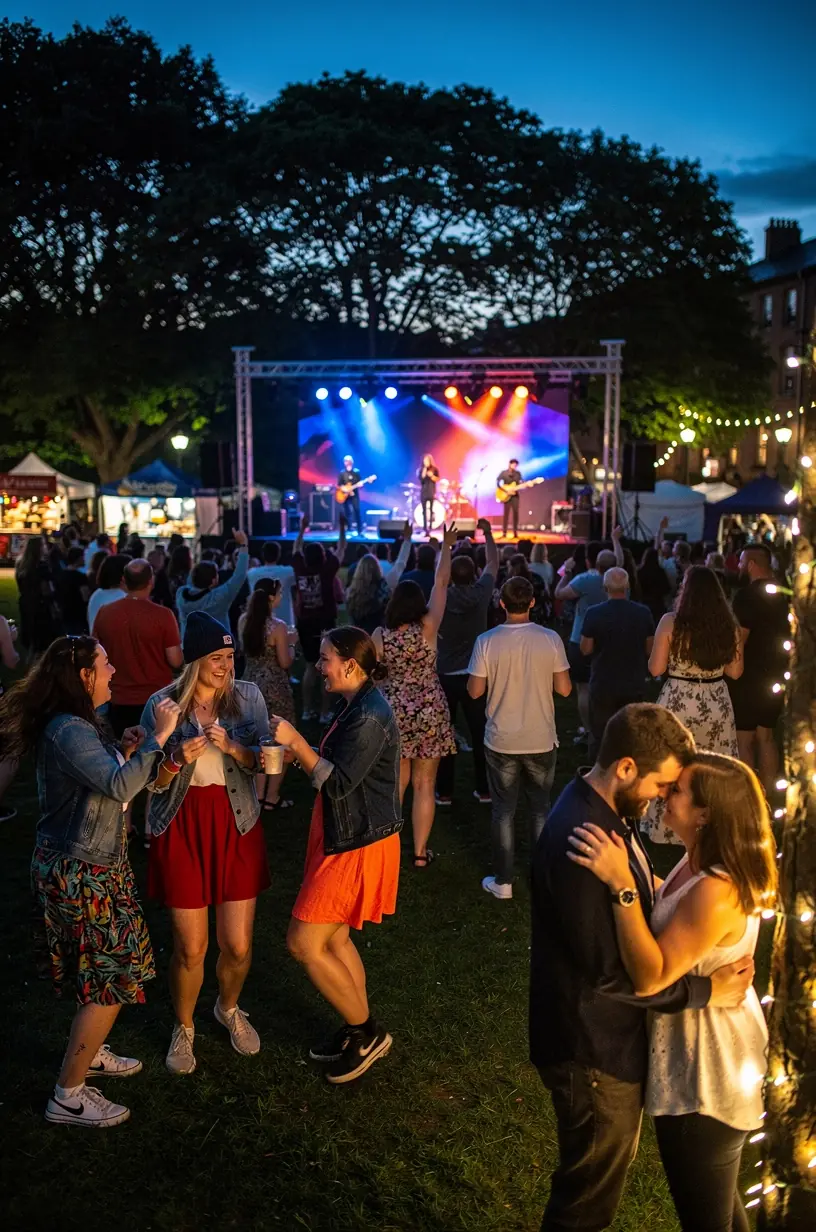
- Diverse Programming: Incorporate a range of activities that cater to different age groups, cultures, and interests. This can include music performances, discussion panels, or games that appeal to various demographics. Experts recommend including local artists and speakers to highlight community talent and perspectives.
- Promote An Inclusive Atmosphere: Use language and promotional materials that emphasize inclusivity. For example, avoid jargon that may alienate specific groups and instead use straightforward, welcoming language that invites participation.
Challenges and Limitations
While fostering inclusivity is crucial, it often requires significant effort and resources. Typically, planning an inclusive event involves:
- Time commitment: It may take several weeks to gather input, implement feedback, and ensure all accessibility measures are in place.
- Collaboration: Engaging with various community groups demands effective communication and partnership, which can be challenging to coordinate.
- Continuous improvement: Inclusivity is an ongoing journey; after each event, gather feedback to identify areas for improvement, acknowledging that perfection is not the goal.
Conclusion
Creating inclusive local events can significantly enhance community engagement and participation. By understanding the importance of inclusivity, implementing effective practices, and acknowledging the challenges involved, planners can create events that truly reflect and serve their diverse communities. Remember, the goal is to foster an environment where everyone feels welcomed and valued, contributing to the vibrant fabric of local life.
Learn More