
Analyzing Attendance Trends for Neighborhood Events
Understanding attendance trends at neighborhood events can provide valuable insights for organizers and participants alike. This article explores key factors influencing attendance, backed by relevant research and practical insights.
Understanding Attendance Patterns
Attendance at neighborhood events typically fluctuates based on various factors. According to research conducted by the Institute for Community Engagement, many neighborhood gatherings see a spike in attendance during weekends and holidays. This trend suggests that timing is crucial for maximizing participation.
Key Factors Influencing Attendance
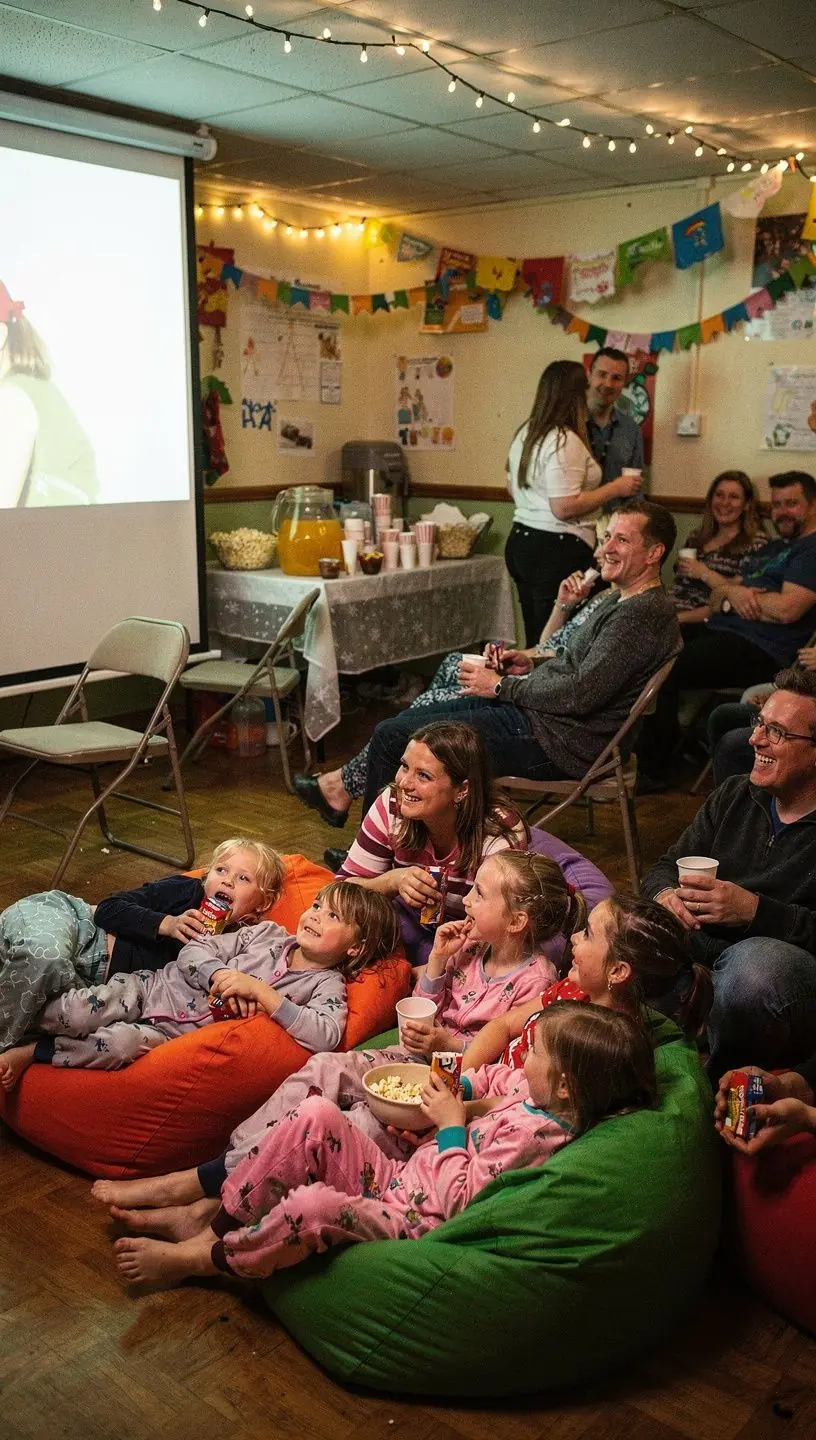
- Event Type: Studies show that events that combine entertainment, such as music salons or games, often attract larger crowds compared to purely informational gatherings. This is likely due to the engaging nature of such activities.
- Marketing Strategies: Experts recommend using a mix of online and offline promotion to reach a broader audience. Successful events typically employ social media, local newsletters, and posters in community centers to inform potential attendees.
- Community Engagement: Research indicates that events with strong community involvement—such as local sponsorships or partnerships—tend to draw higher attendance. This works because it fosters a sense of ownership and belonging among residents.
"Engaging the community in the planning process not only boosts attendance but also enhances the overall experience for participants." - Community Engagement Expert
Challenges and Considerations
While many factors can positively influence attendance, there are also challenges. For instance, events may face competition from other local activities. According to industry standards, organizers should consider alternating event dates or incorporating unique themes to differentiate their gatherings.
Utilizing Data for Future Events
Analyzing past attendance data can significantly improve future planning. Event organizers are encouraged to track attendance numbers, participant demographics, and feedback from attendees. A study by the Community Event Research Association found that this approach can lead to a 15-20% increase in turnout for subsequent events.
Conclusion
Understanding and analyzing attendance trends is vital for the success of neighborhood events. By considering factors like event type, marketing strategies, and community involvement, organizers can create engaging experiences that resonate with residents. While challenges exist, applying evidence-based approaches can lead to increased participation and a stronger community connection.
Learn More